
Room readiness
Safe technique, reliable position habits, coachability, and a repeatable warm-up and match routine.
Every tournament, dual, clinic, and professional-format simulation must serve a developmental purpose.
Build a Competition PlanIron Wings expands an athlete’s schedule only when the technical, physical, and emotional foundation can support it.
Safe technique, reliable position habits, coachability, and a repeatable warm-up and match routine.
Learn weigh-ins, brackets, recovery between matches, scoring, and how to respond after wins and losses.
Increase match quality, travel demands, tactical variety, and competition-day independence.
Prepare for high-level pace, exposure, par terre scoring, and opponents with different technical systems.
Three-period pacing, step-outs, criteria awareness, challenges, shot-clock response, and audience-ready presentation.
The exact competition calendar is built with enrolled athletes and published through the academy communication channel.
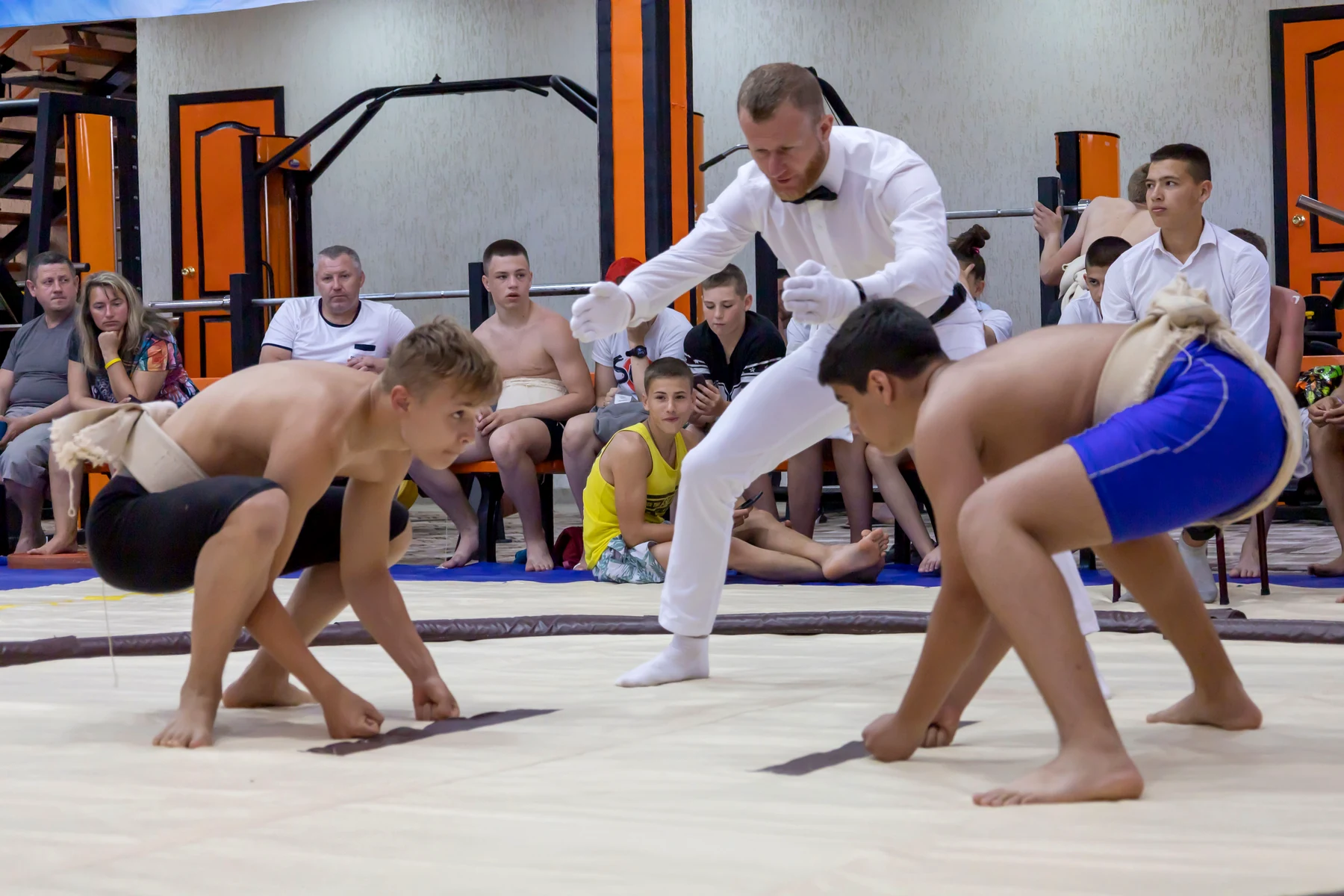
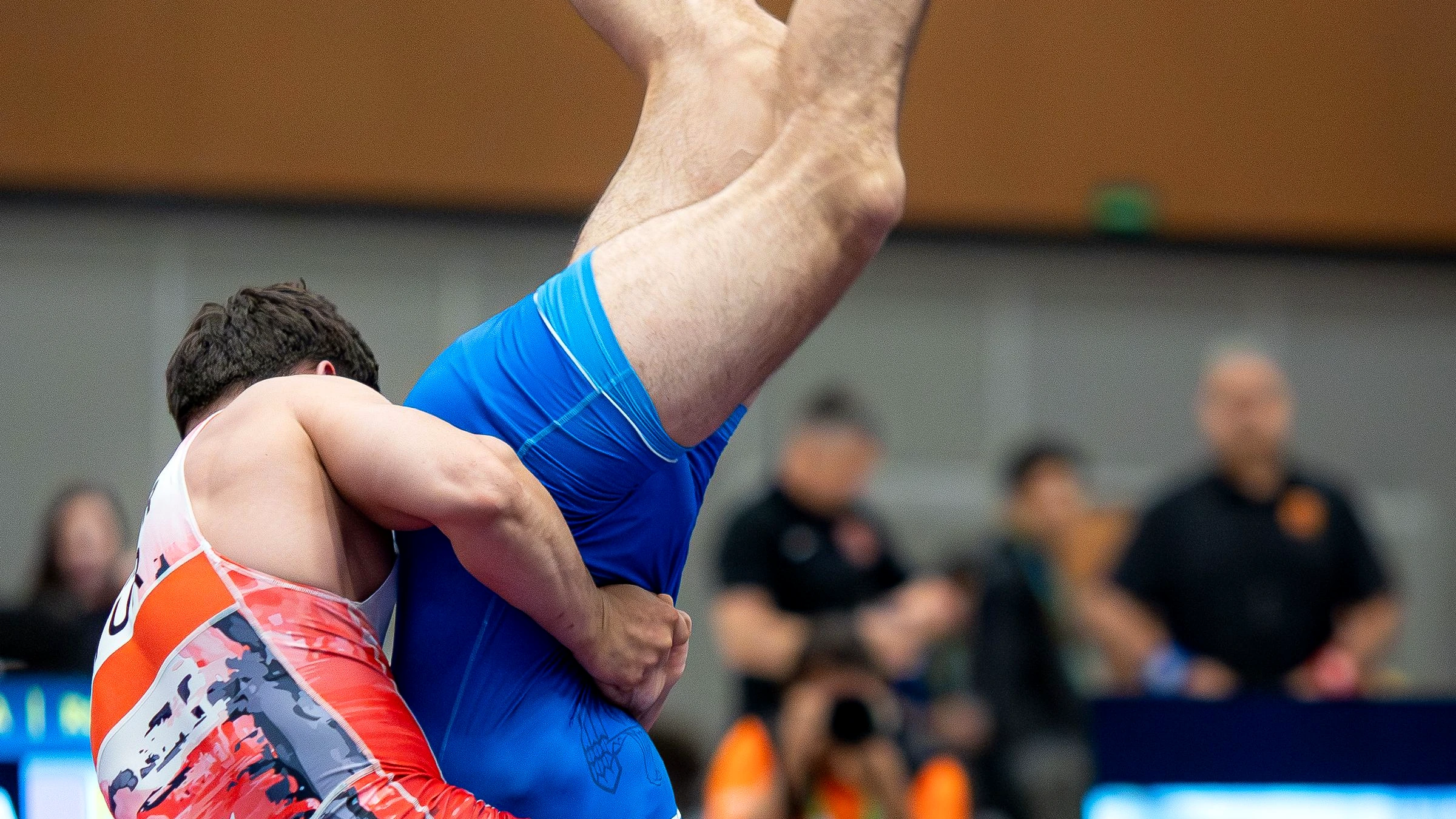
Real American Freestyle publicly describes an action-forward format with three two-minute periods, short breaks, last-score criteria, step-outs, video challenges, and shot-clock strategy.
Iron Wings translates those rules into training decisions: score first, protect the center, create repeat attacks, know when criteria matters, and stay composed when a call is challenged.
Study the RAF MethodCompetition should reveal the next problem—not create ten new ones at once.
Tell us the athlete's age, experience, goals, and current competition level. We will recommend the right starting point and explain the next step clearly.