

Teach before testing
Athletes receive clear language, visual examples, and position-specific cues before the intensity rises.
Real American Freestyle Wrestling for youth, high school, collegiate, and open-level athletes who want sharper hand fighting, explosive takedowns, disciplined scrambling, and a repeatable competition system.
At Iron Wings, Real American Freestyle means winning the first contact, attacking through resistance, scoring at the edge, and staying dangerous through every period.
Our curriculum blends the work ethic and positional toughness of the American wrestling room with freestyle scoring awareness and professional-format pacing. Athletes learn how to create action—not wait for it.
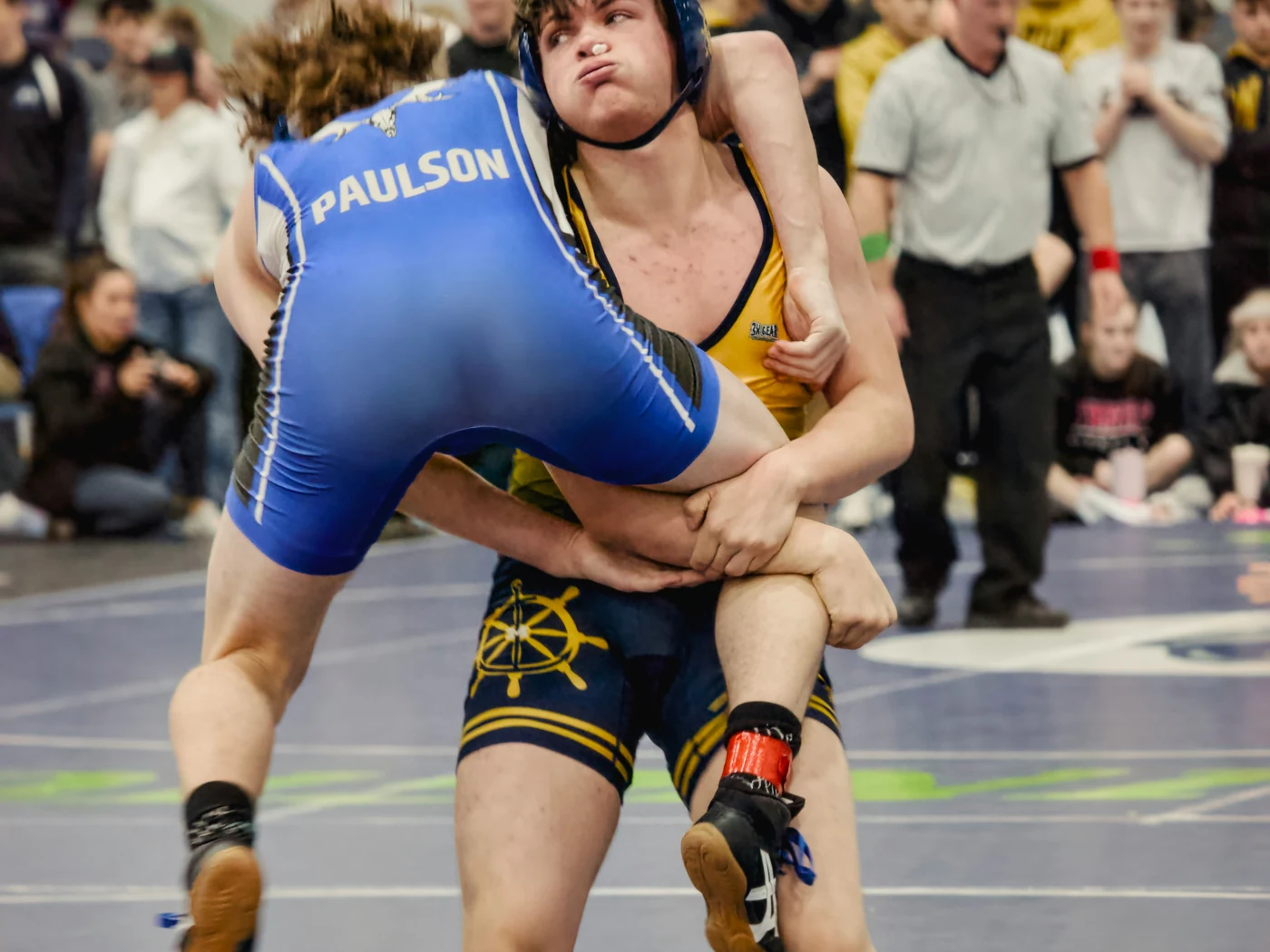
First contact matters. Control the hands, head, and center before the score.
We build wrestlers who can explain what they are doing, repeat it under pressure, and carry the same standard into school, work, and life.
Athletes receive clear language, visual examples, and position-specific cues before the intensity rises.
Hard wrestling is purposeful. Every live round has a starting position, scoring objective, or tactical problem.
Standards stay high while athletes learn to reset, respond, and own the next action.
Technical checklists, competition debriefs, and film review show athletes exactly what is improving.
Age guides placement, but readiness decides it. Every athlete starts where instruction will be challenging, safe, and productive.
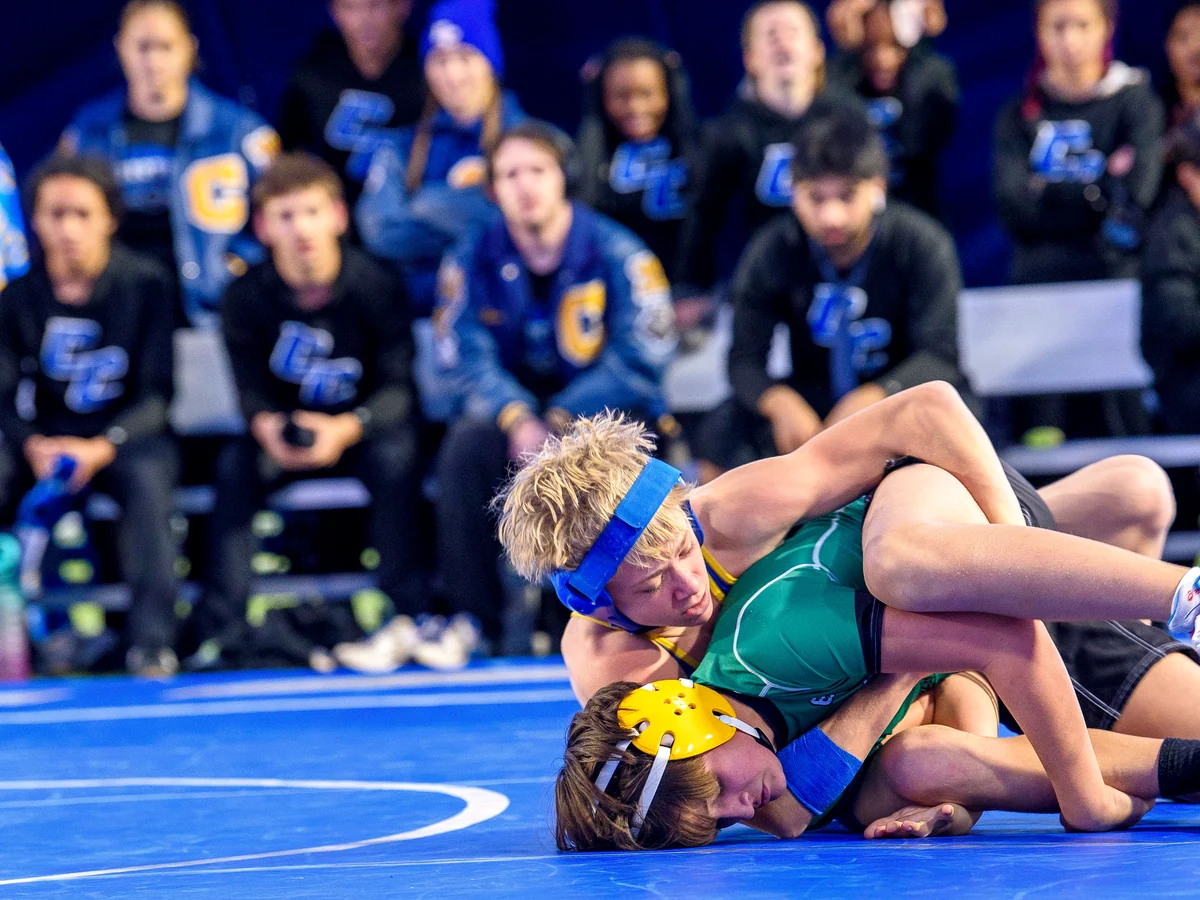 Ages 5–7
Move well. Listen well. Love the mat.
An energetic introduction to wrestling through movement games, stance, balance, safe falling, basic level changes, and age-appropriate partner work. The objective is confidence—not early specialization.
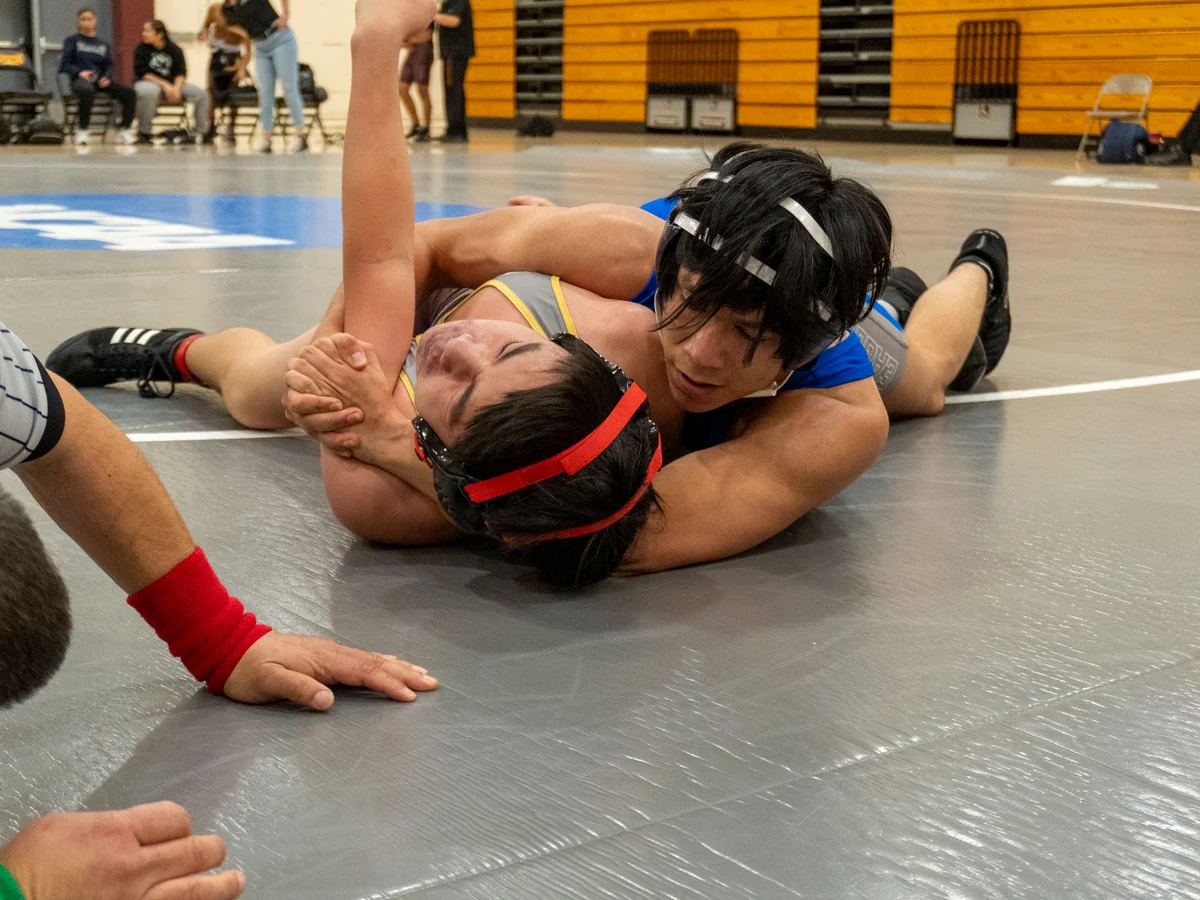 Ages 8–11
Build positions before chasing points.
A complete technical base for athletes who are ready to learn how wrestling fits together. Sessions connect stance and motion to hand fighting, attacks, defense, control, and exposure.
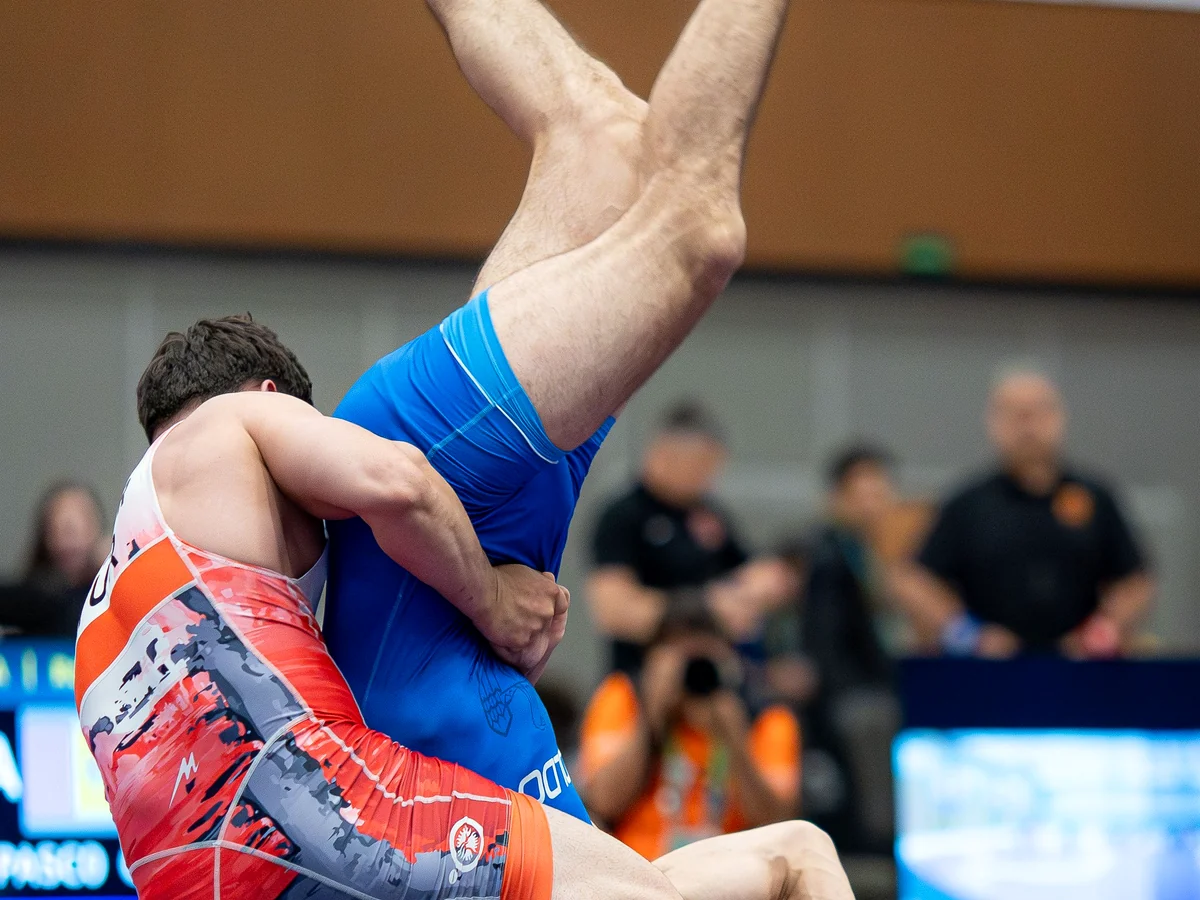 Ages 10–14
Turn one attack into the next.
For athletes who can perform core skills and need to execute them against resistance. Training emphasizes chain wrestling, scoring awareness, live situations, and competition routines.
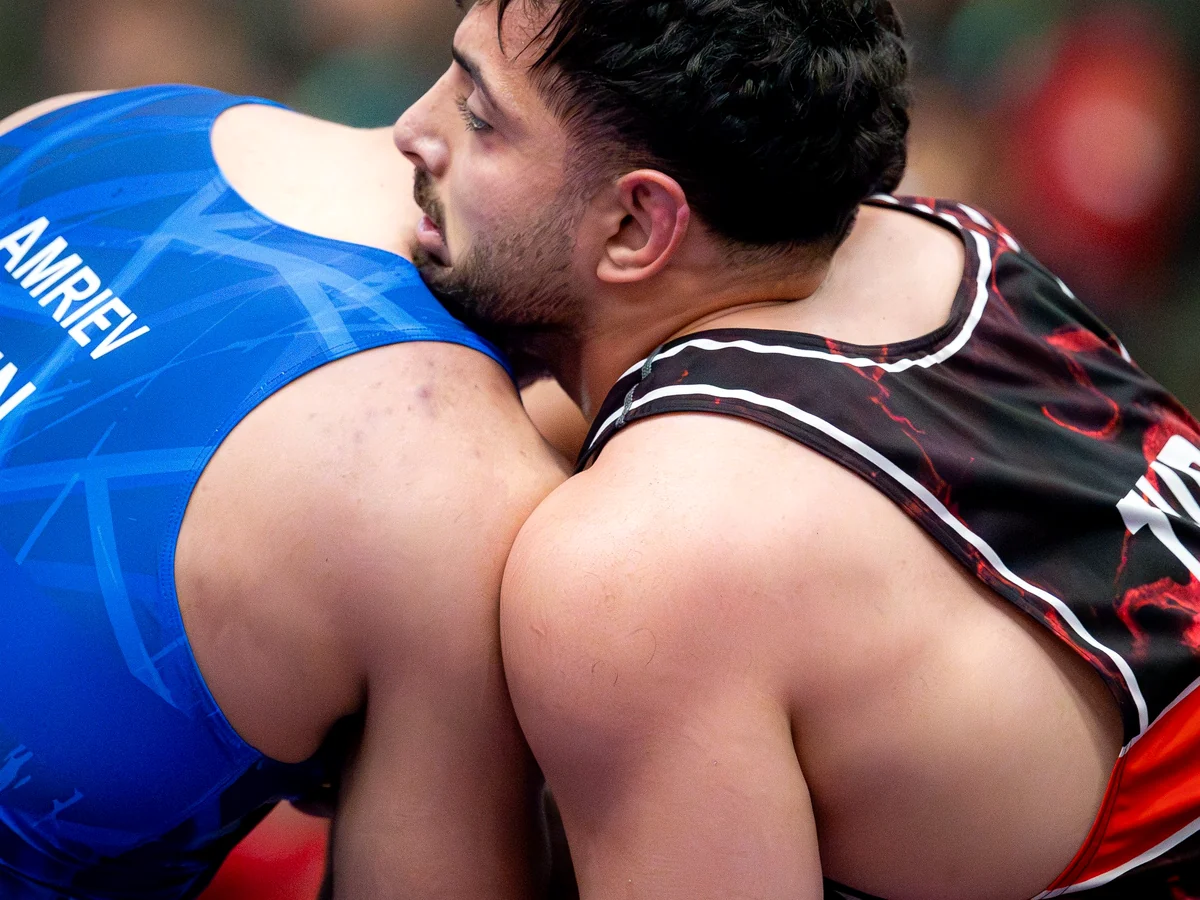 Ages 14–18
Solve problems at match speed.
Advanced training for serious high school wrestlers. Every athlete develops a repeatable system from neutral, top, bottom, and freestyle par terre while learning to manage pace, criteria, and short time.
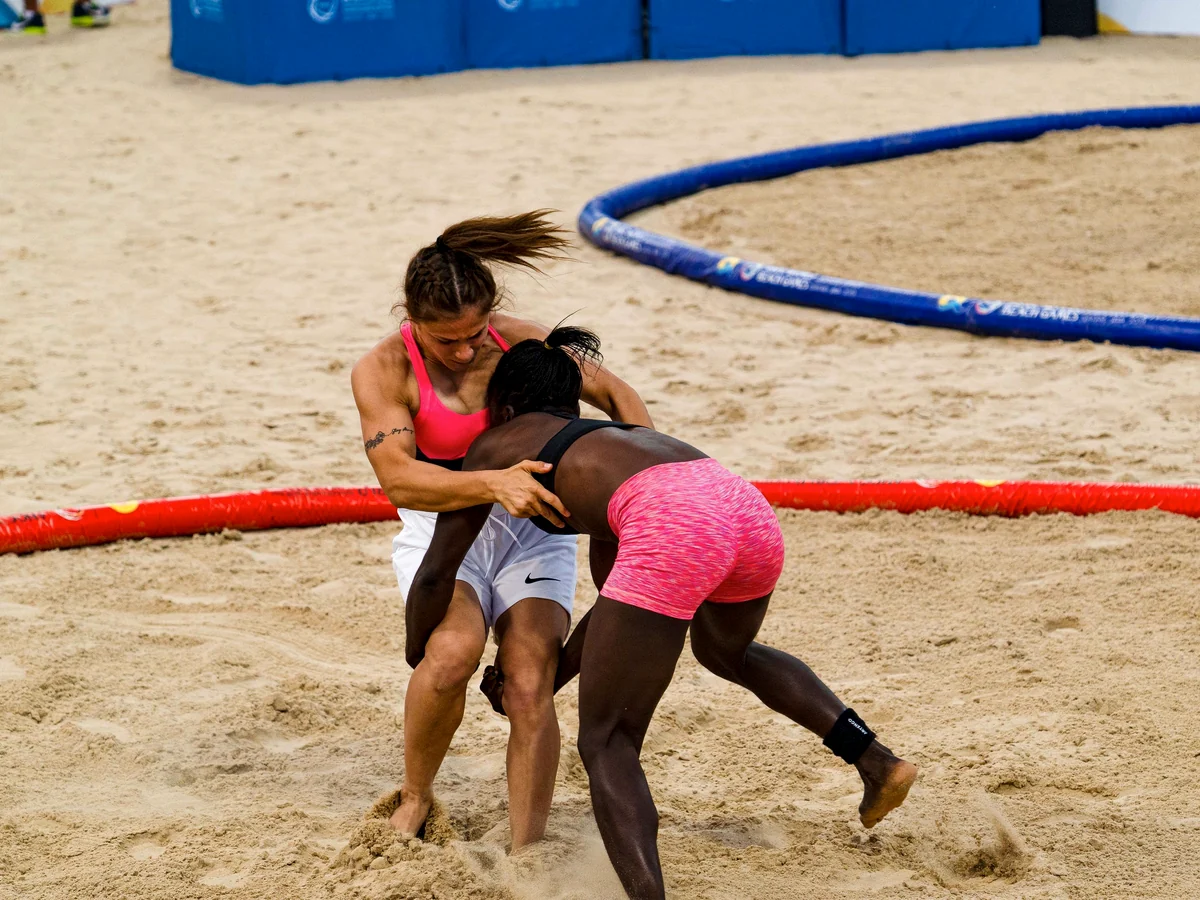 Youth–High School
A room built for confidence and competitive growth.
Dedicated girls’ wrestling development with the same technical standard, physical challenge, and competition preparation expected across the academy.
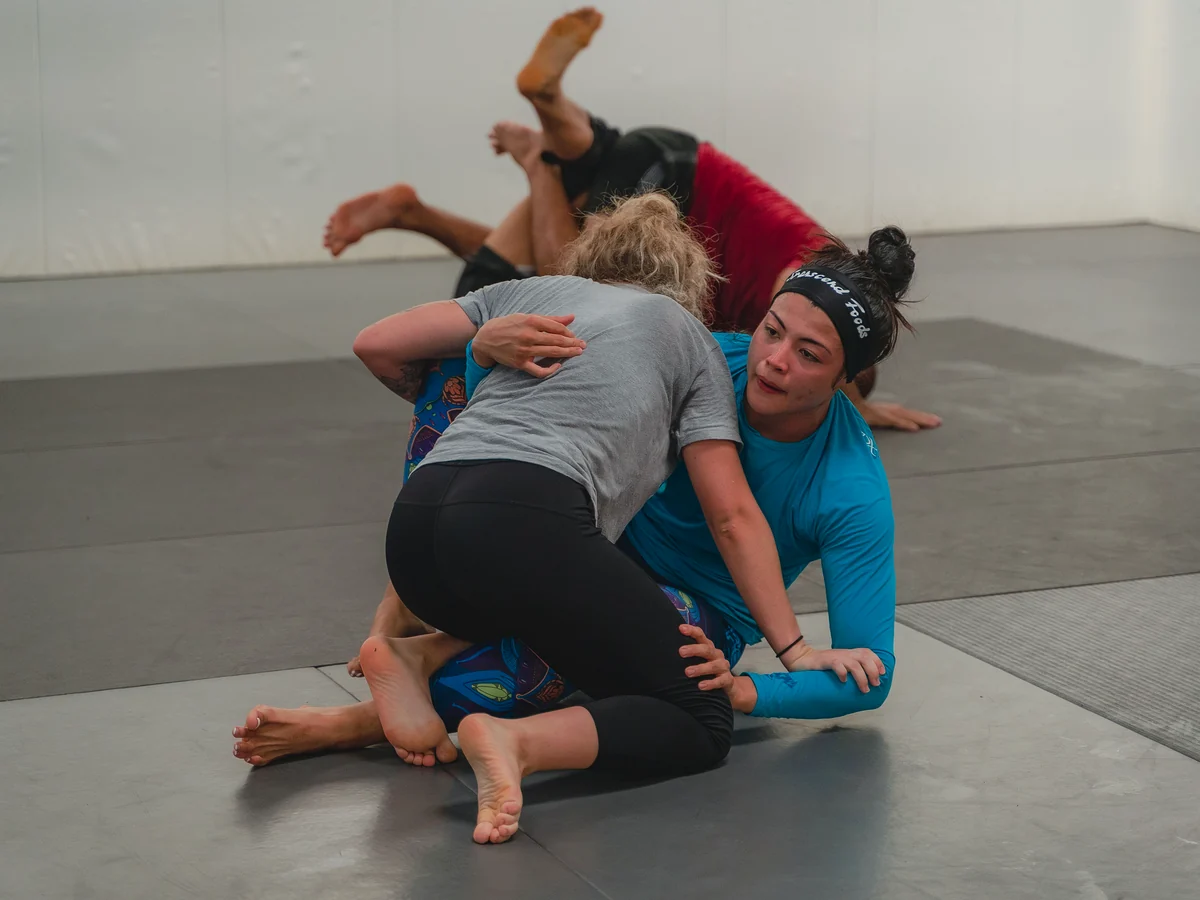 Advanced 17+
High-level reps. Honest feedback. Professional pace.
Structured open-level training for college wrestlers, post-collegiate athletes, coaches, and experienced competitors preparing for freestyle, open tournaments, or professional-style formats.
Final class times and start dates are confirmed directly with founding athletes and families before launch.
View the full training week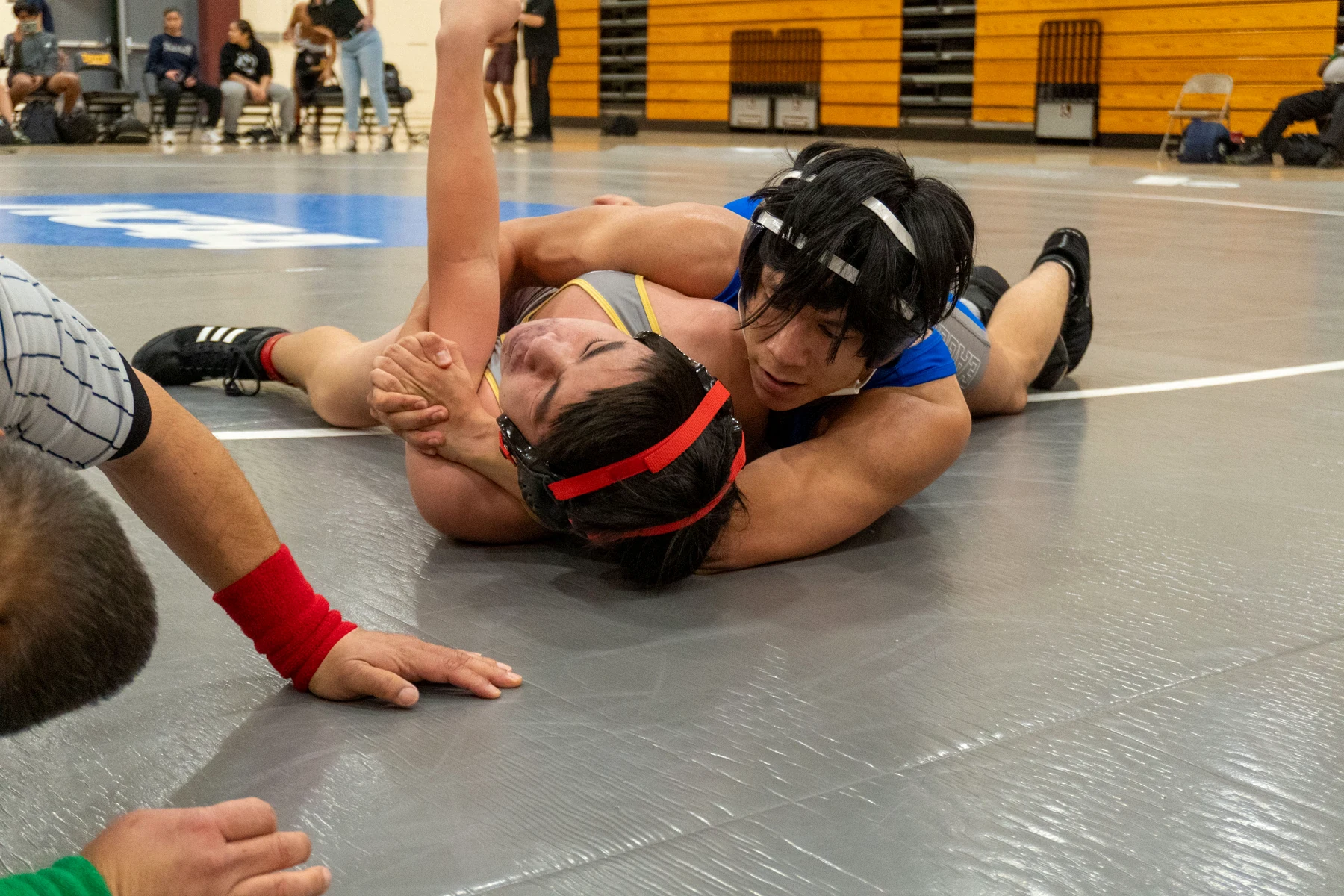
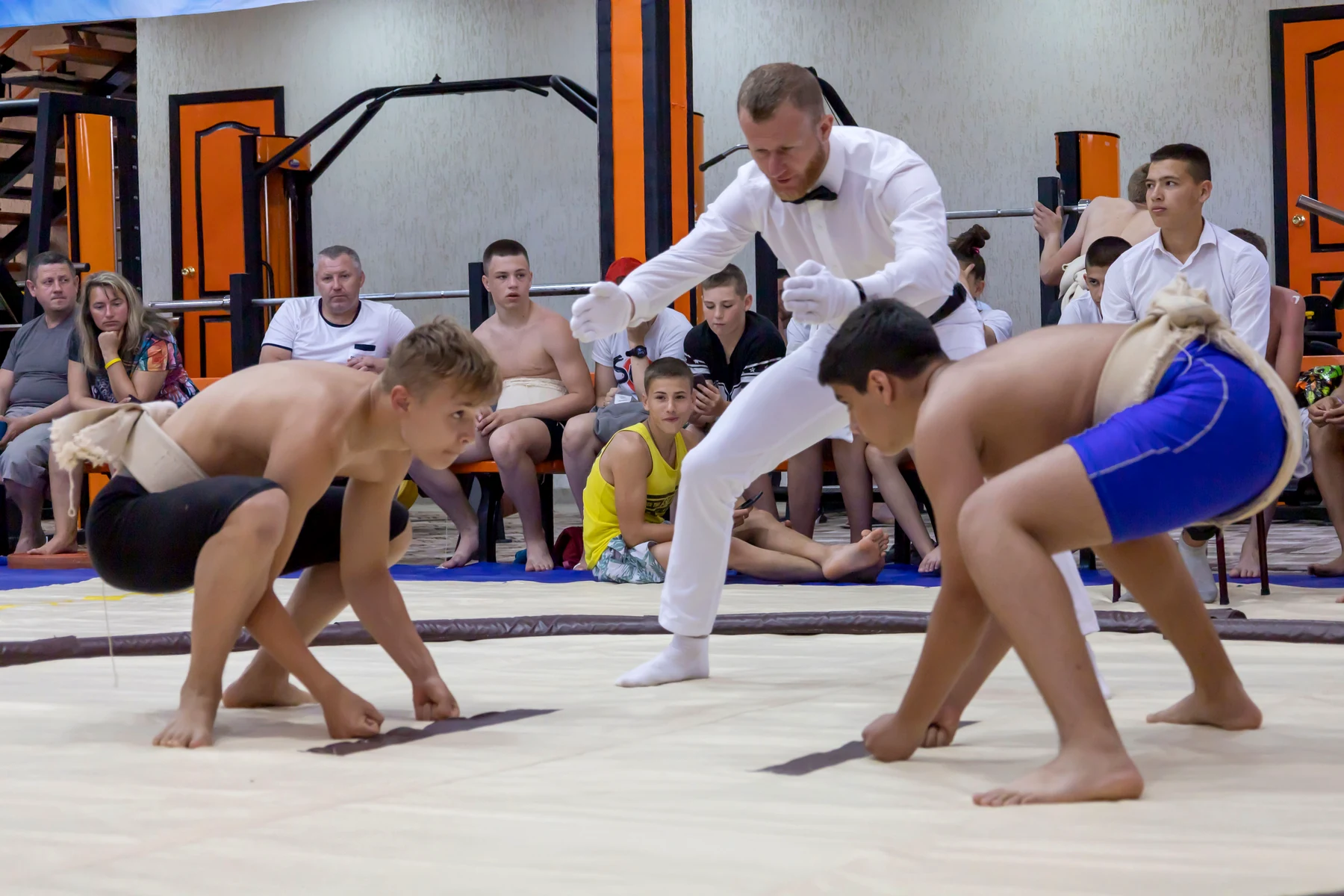
Competition is feedback. We enter events with a development goal, not simply to collect matches.
The goal is not to make athletes busy. The goal is to make them better.
Demonstrate safe technique, position awareness, and a repeatable pre-match routine.
Learn event management, scoring, recovery, and how to respond between matches.
Expand pace, par terre scoring, edge awareness, and competition experience.
Train three-period pacing, last-score criteria, step-outs, and challenge awareness.
Iron Wings coaching is built around technical clarity, athlete safety, consistent language, and verified standards.
Staff profiles are published only after identity, background, technical experience, and safeguarding requirements are verified. No inflated resumes. No borrowed credibility.
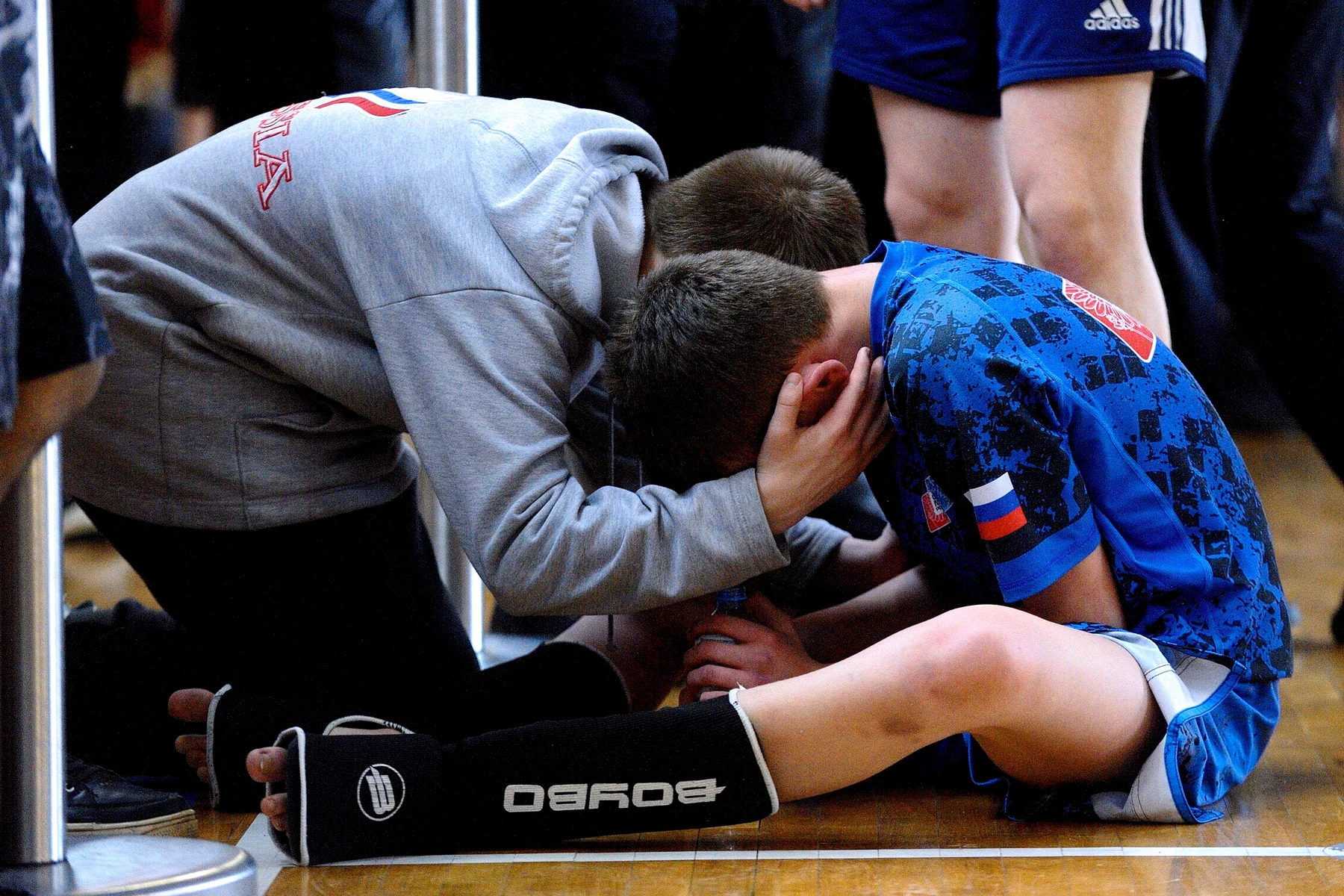
Iron Wings publishes development stories, staff profiles, and competition results only when the source, consent, and context can be verified.
Approved athlete stories document the initial challenge, training period, technical change, and next objective. Anonymous hype and unsupported claims are not used.
Published staff profiles identify the coach’s actual role, verified wrestling or performance background, current safety readiness, and responsibility inside the curriculum.
Results are tied to an event, date, rules format, division, and approved athlete identity. When permitted, the result connects to film and the next training priority.
Short technical essays and practical guides help athletes and families understand the why behind the work.
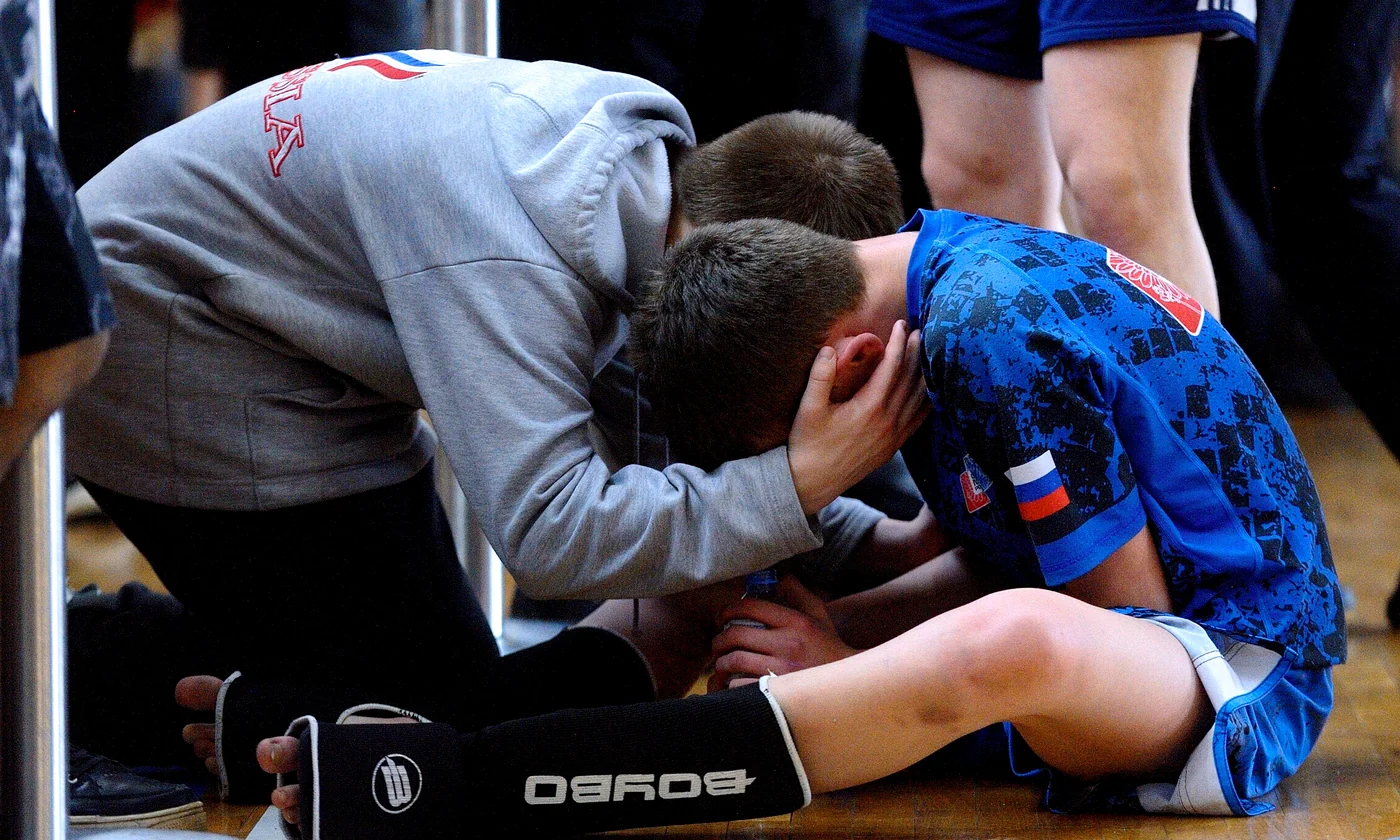
Stop treating hand fighting as motion before the “real” attack. The first contact creates the attack.
Read resource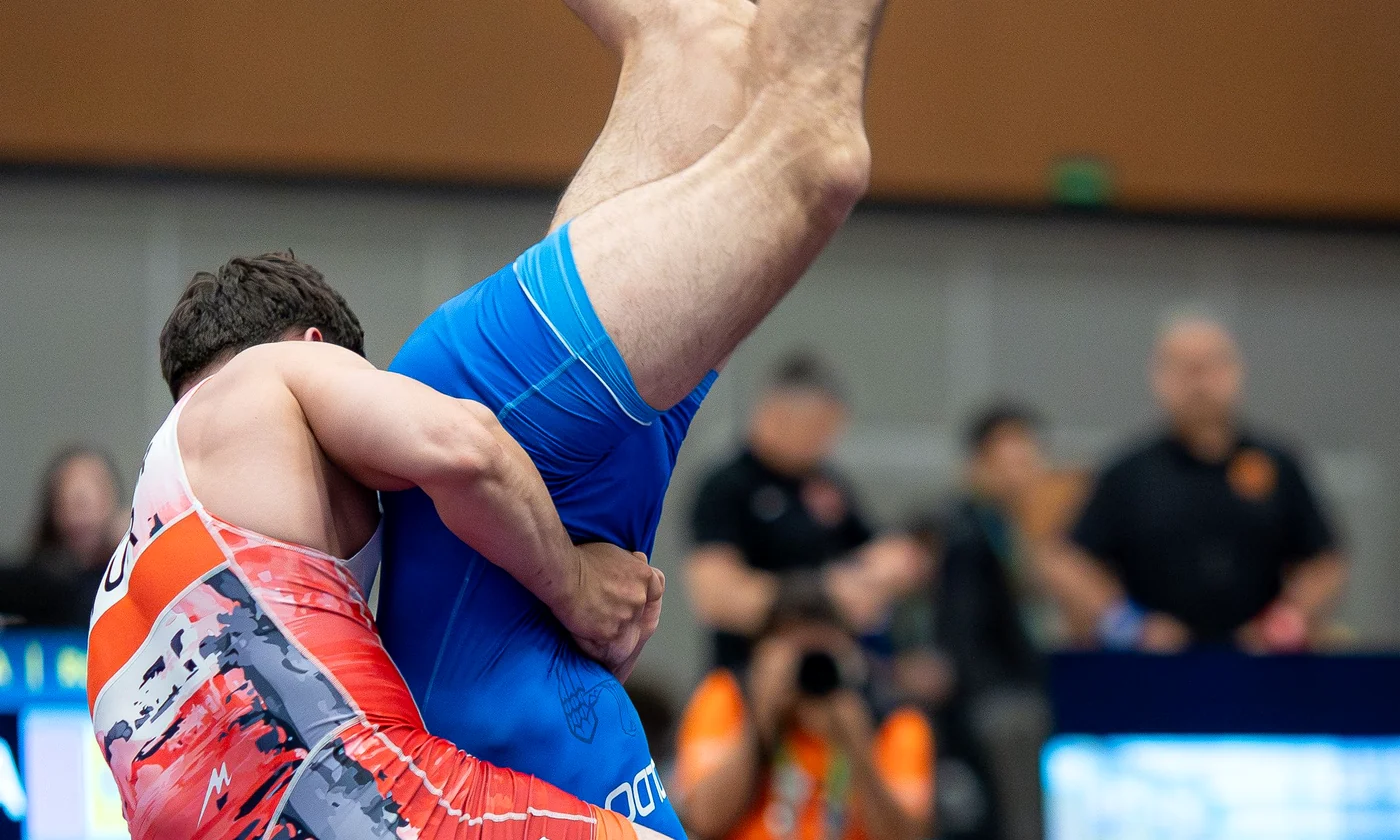
High-level opponents defend the first attack. The decisive wrestler has already trained the second and third decision.
Read resource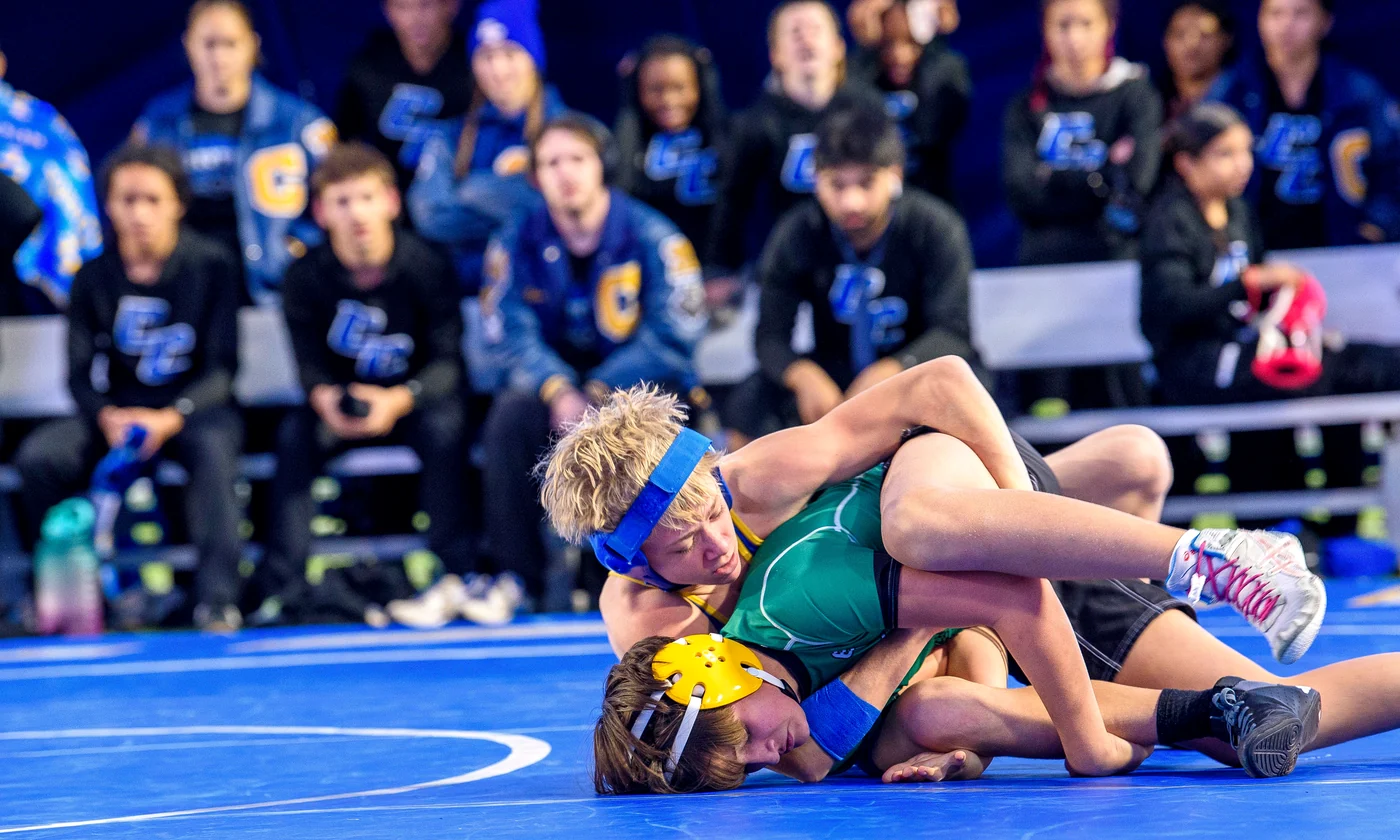
Professional freestyle pacing requires more than endurance. It requires the ability to recover and score again.
Read resourceClear expectations create better training. These are the questions families and athletes ask most often.
No. First Flight and Foundations are designed to teach movement, contact, stance, attacks, defense, and room expectations from the ground up.
Iron Wings develops complete wrestlers. The technical base supports folkstyle competition, while the curriculum places a deliberate emphasis on freestyle scoring, exposure, edge control, and professional-format awareness.
Yes. Girls Freestyle provides a dedicated development pathway, and qualified athletes may also be placed into other appropriate technical and competition sessions.
We review age, experience, current training environment, competition goals, and technical readiness. The first recommendation is based on where the athlete can learn safely and be challenged immediately.
Iron Wings is independent. The academy uses “Real American Freestyle Wrestling” to describe its training methodology and professional-format preparation. No affiliation or endorsement is claimed unless formally announced in writing.
Tell us the athlete's age, experience, goals, and current competition level. We will recommend the right starting point and explain the next step clearly.